Impact at a glance
- Student participations
- 120Attendance across six workshops
- Girls
- 60Across six workshops
- Boys
- 60Across six workshops
- Workshops
- 6Weekly, 29 June ? 3 August 2026
- Hands-on hours
- 6One hour per workshop
Real-time, local and secure
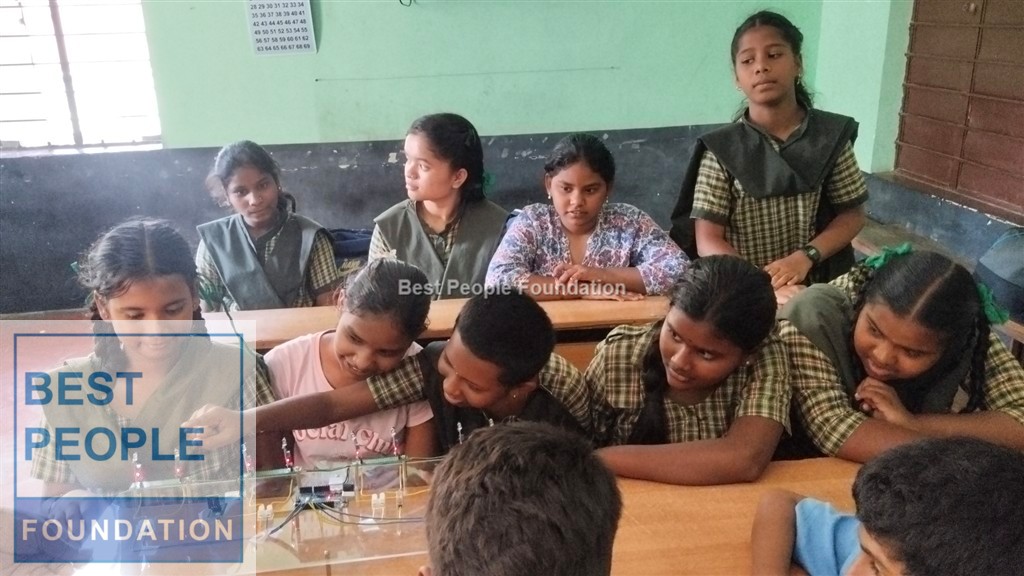
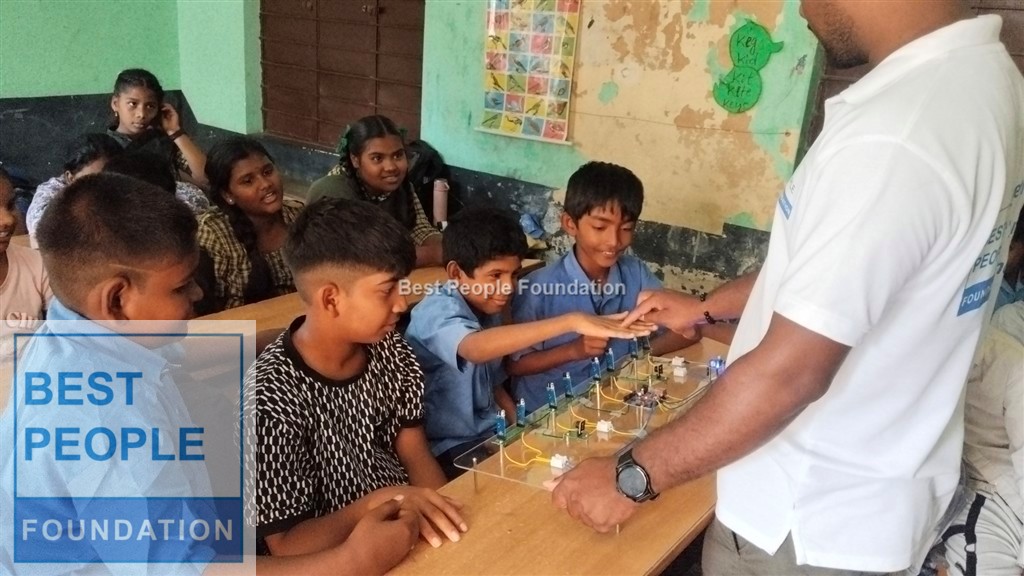
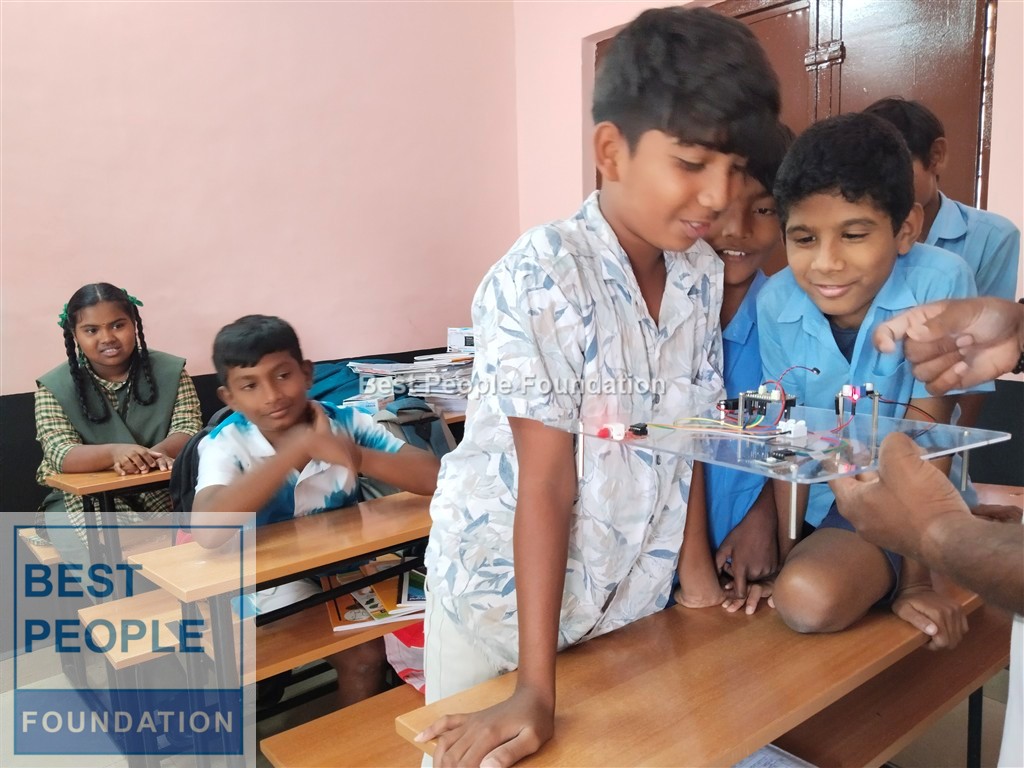
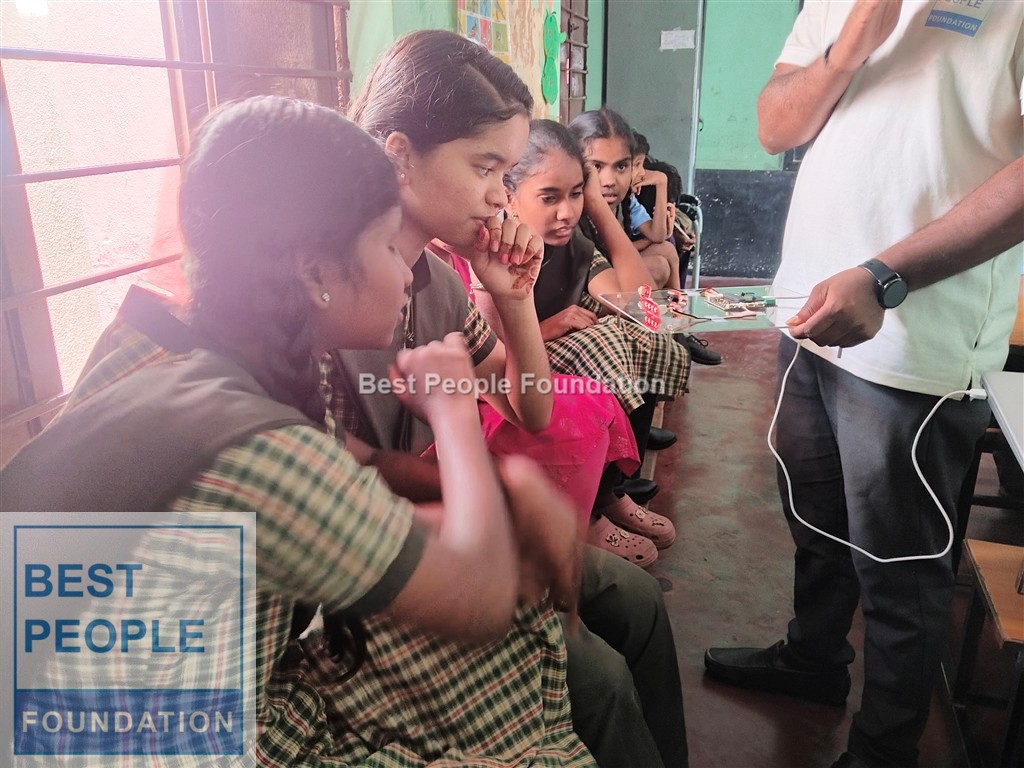
An ESP32 read a sensor and drove motors at the same moment, with no serial lag. Voice recognition ran locally on the device, which raised questions about wake-words, battery drain and heat. The ESP32's built-in Wi-Fi removed the need for extra networking hardware, and the conversation turned to why secure communication matters in real IoT systems.
Small details taught as much as the big ideas. A two-colour LED needed proper current limiting before both colours shone equally bright.
Four lessons from the workbench
- A question is an experiment. Following a moving object or confirming a flame became something to try, not just ask.
- Local processing has a cost. Running voice recognition on the device raised battery and heat questions.
- Power is part of the design. USB versus battery, and current limiting for an LED, changed how the circuit behaved.
- Two sensors beat one. A temperature sensor alongside a flame sensor, or IR with ultrasonic, promised fewer false alarms.
Present these as themes explored in guided sessions, not as individual mastery.
With appreciation to the Head Teachers
Best People Foundation thanks Mrs. Girija, Head Teacher, Government Kannada Higher Primary School, and Mrs. Aruna, Head Teacher, Government Telugu Higher Primary School, Jeevanahalli, for welcoming six weekly workshops into the school week and for supporting students throughout.
Practical technology, within reach
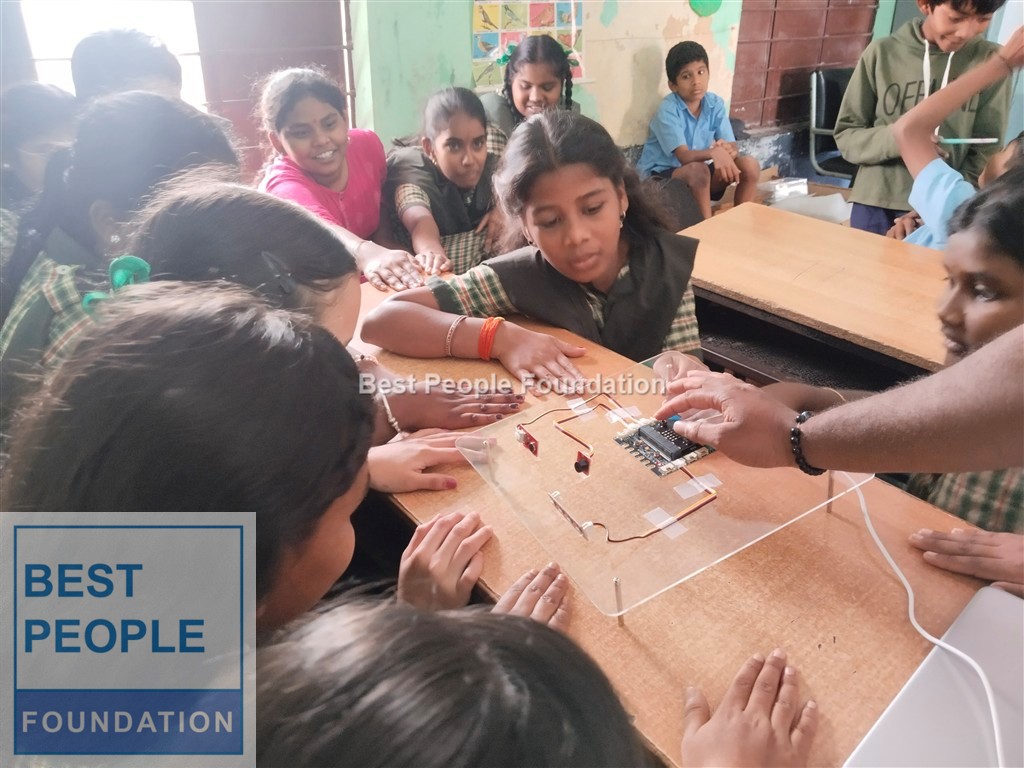
Six weeks, one pattern: a student asks "what if?" and the circuit answers. In Jeevanahalli, that meant a robot, a flame sensor and a battery taught what a textbook paragraph could not. BPF's aim is for students in government schools to have that experience early.
Together, Let's Make Wonders.