Impact at a glance
- Student participations
- 110Attendance across four workshops
- Girls
- 55Across four workshops
- Boys
- 55Across four workshops
- Workshops
- 4Weekly, 2 – 23 July 2026
- Hands-on hours
- 4One hour per workshop
Which sensor, and how to show what it sees
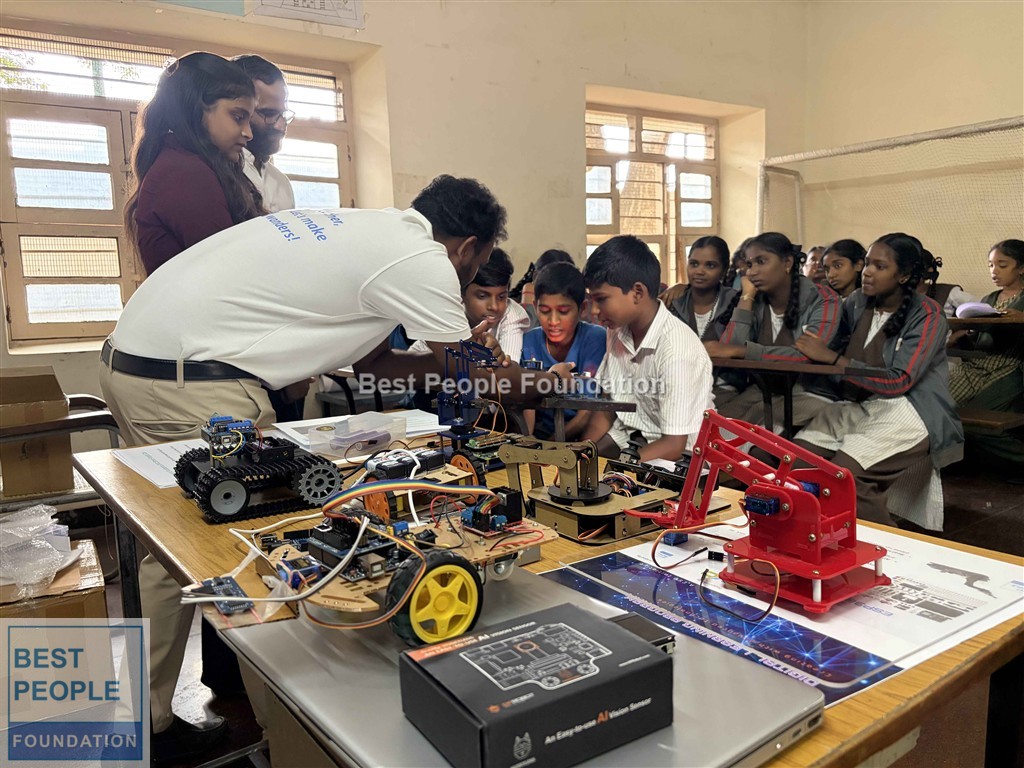
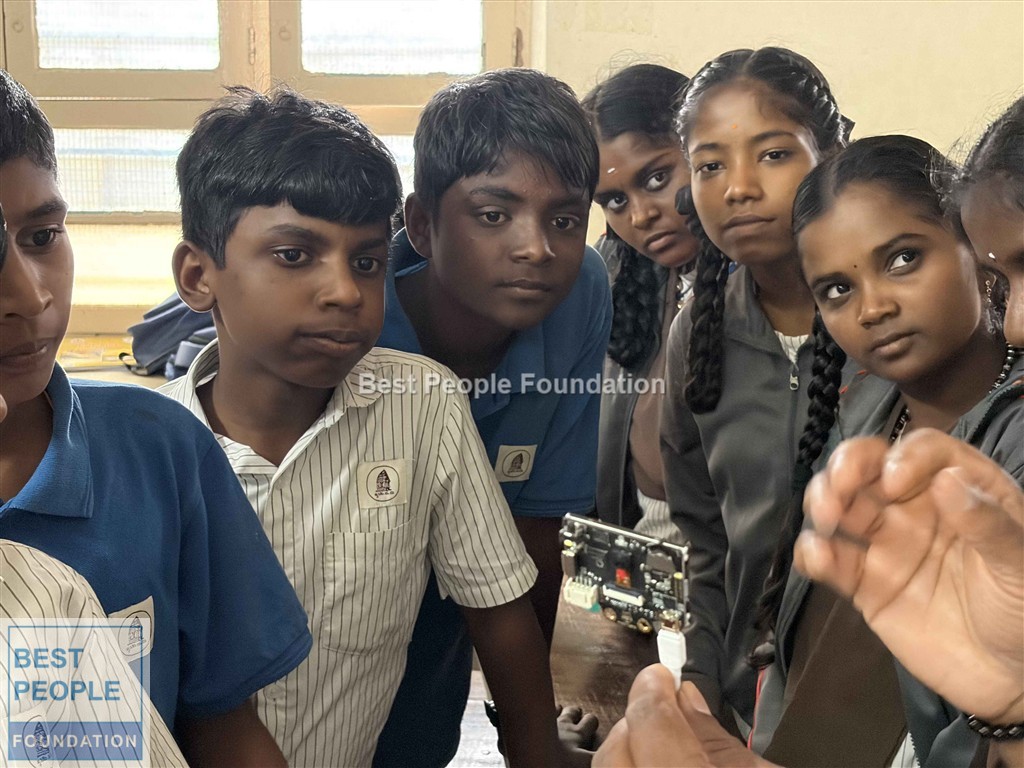
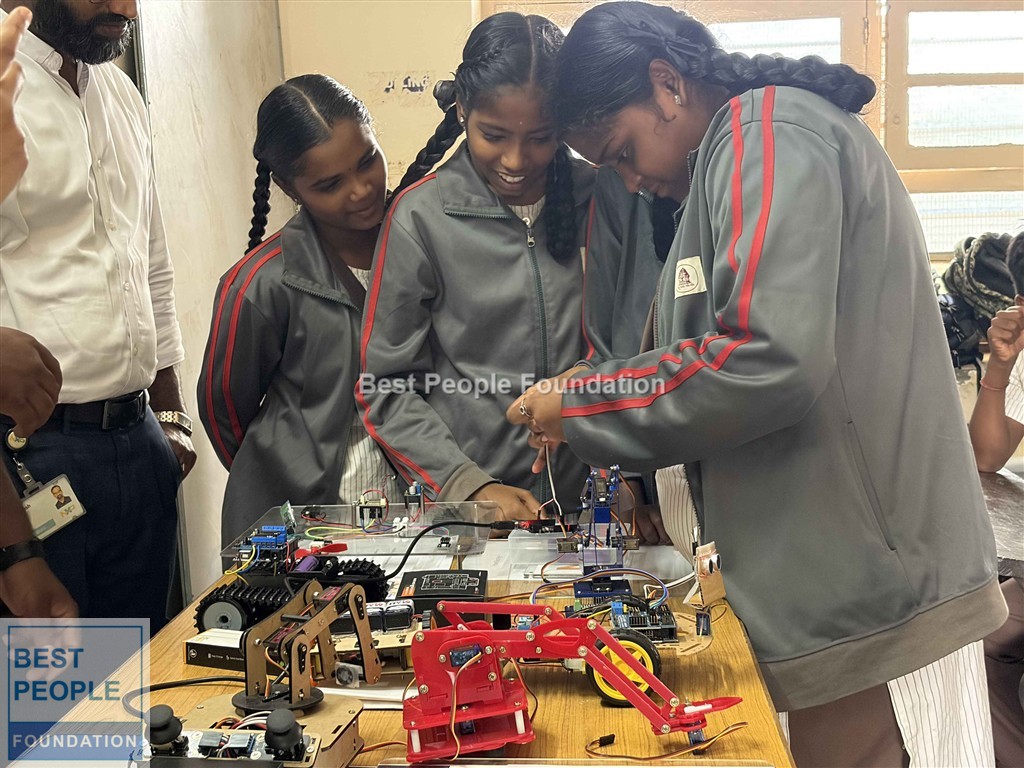
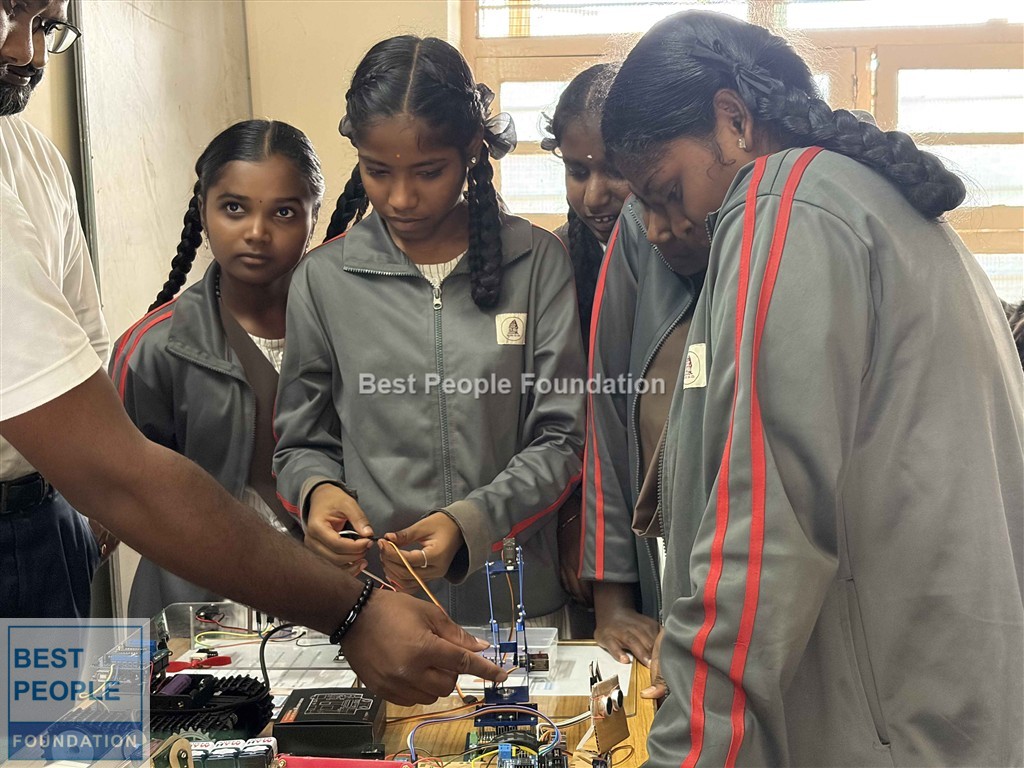
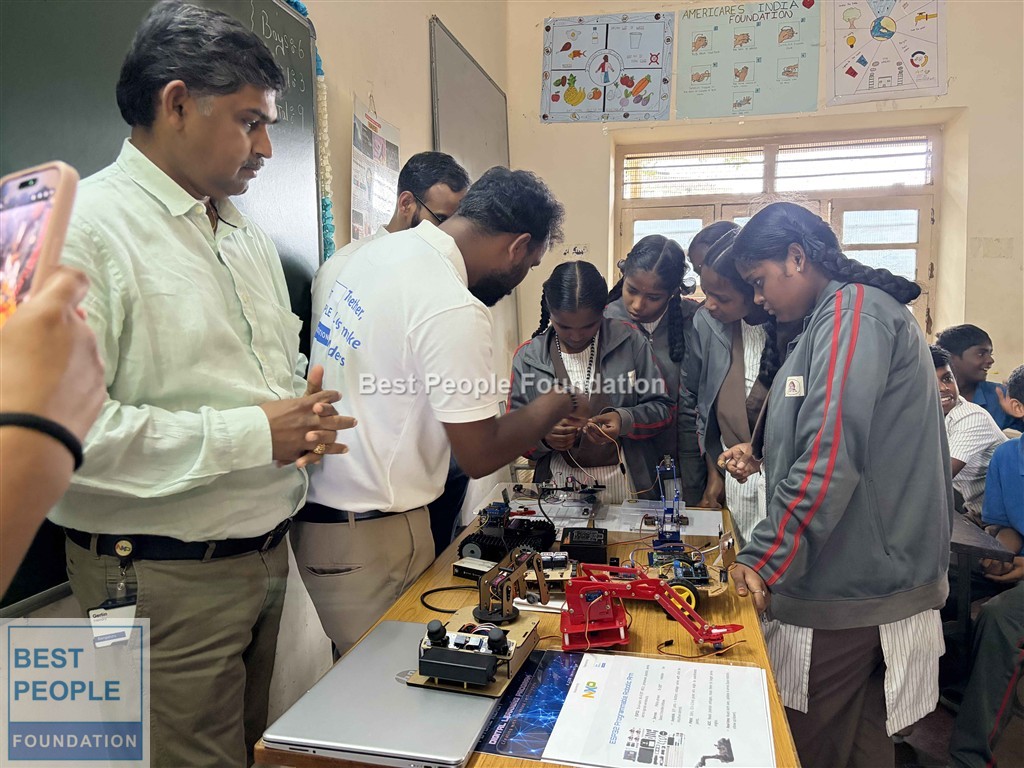
Vision, ultrasonic and infrared sensing each answer the question "what is in front of the machine?" in a different way. Students compared them, and found that IR calibration depended heavily on surface reflectivity and ambient light.
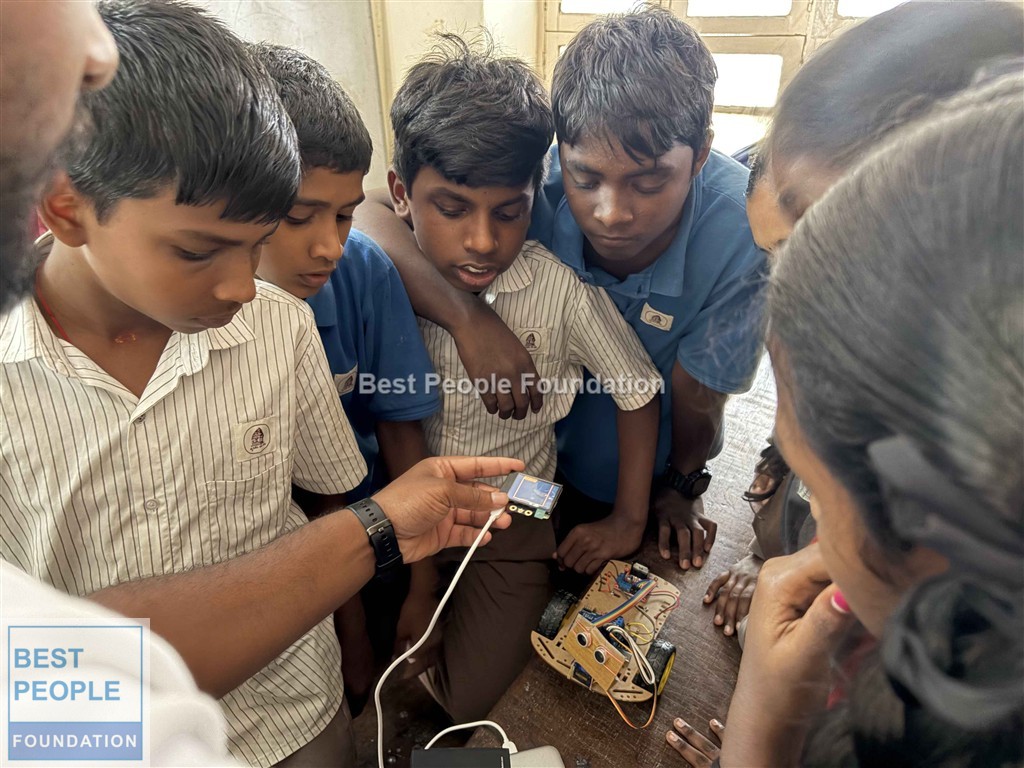
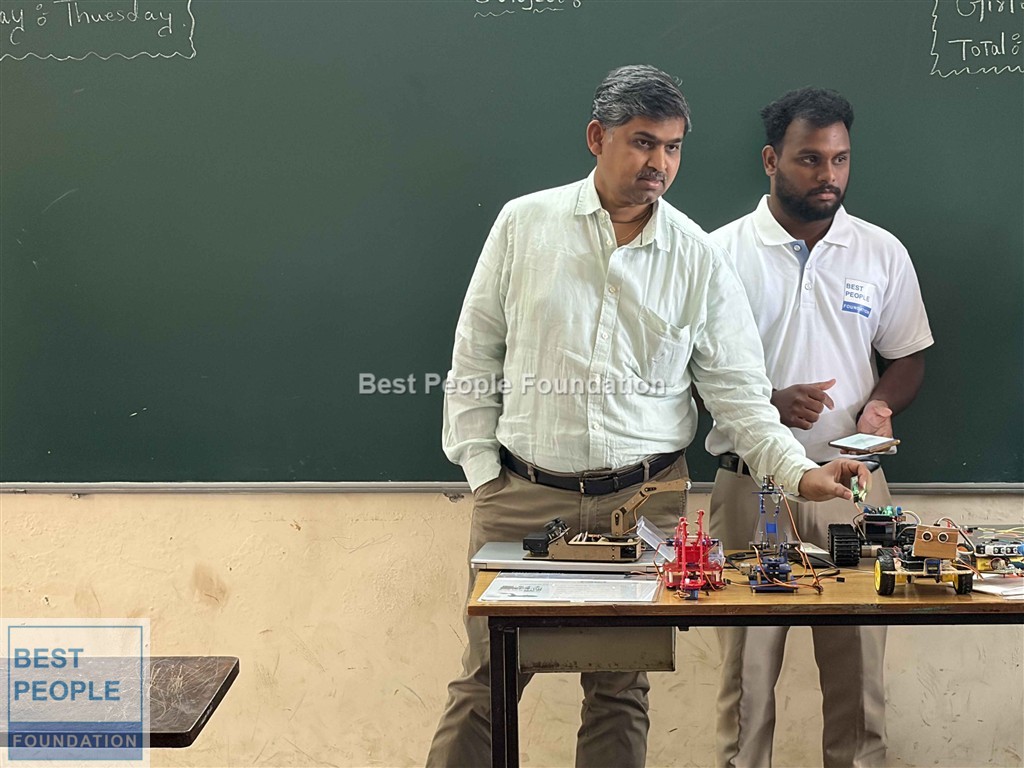
The workshops then turned to showing the result. Different IR beams, when broken, played different notes. A robot obeyed text commands faster than voice commands sent from an app. A 5×5 LED matrix displayed readings without a separate screen, and a serial plot drew slow changes in the room's environment as a line.
Four lessons about sensing
- Pick the sensor for the job. Vision, ultrasonic and IR each had strengths and costs.
- Calibrate for the room. Reflective surfaces, ambient light and a half-hidden flame all changed readings.
- The command path changes the speed. Text reached the robot faster than voice.
- Make the data visible. An LED matrix and a live plot turned numbers into something students could read at a glance.
Present these as themes explored in guided sessions, not as individual mastery.
With appreciation to the Head Teacher
Best People Foundation thanks Mr. Markandeya, Head Teacher, BBMP High School, Murphy Town, for welcoming four weekly workshops into the school week and for supporting students throughout.
Practical technology, within reach
Choosing a sensor, deciding how to show its reading, and watching a plot draw the slow change of a room's air: these are the habits of working engineers. At BBMP High School, students practised them with real components in a handful of hours. BPF's aim is for students in government schools to have that experience early.
Together, Let's Make Wonders.